Money
Hiding the 'Pay the Minimum' Option Didn't Shrink Card Debt
A UK field experiment hid the 'pay the minimum' autopay option. Autopay amounts rose, but card debt didn't fall. Where the money went, and what to watch.
Personal money behavior — spending psychology, saving systems and the decisions around them. Educational only, never investment advice.
A UK field experiment hid the 'pay the minimum' autopay option. Autopay amounts rose, but card debt didn't fall. Where the money went, and what to watch.
A grocery-store tag experiment and a StubHub fee test suggest why taxes and fees added at checkout count for less than the price you see first.
Records from 7,752 members of three U.S. health clubs: those on flat monthly fees paid more per visit than a pass. A per-use check, and its limits.
A 1997 study found NYC cab drivers worked fewer hours on high-pay days. Later data mostly disagreed. One lesson is about the time frame you judge money by.
In over 22 million used-car auction sales, average prices dropped at each 10,000-mile mark. How left-digit bias can tilt what you pay and are offered.
A tax refund is your own money returned at 0%. Research on inertia and mental accounting shows why it feels like a bonus, and when it costs you.
The '70% of lottery winners go broke' figure has no research behind it. Florida data suggest a big win postponed bankruptcy rather than prevented it.
Paying the highest rate first generally saves more interest. Research suggests why paying the smallest balance first can still help people finish.
Housing, transportation and food took about 63% of average U.S. household spending in 2024. Why three big decisions matter more than your daily coffee.
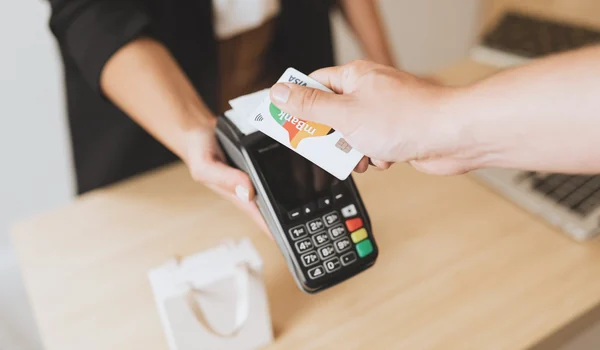
A famous MIT auction suggested card payers bid twice as much. Newer evidence says the effect is real but small. Here is how to use it.
Keep us Awake.
Buy Me a CoffeeBrewing…