Habits
They Were Paid to Scroll Less. When the Pay Stopped, They Still Did
In a 2020 experiment, adults paid to use social media less kept using less after the pay stopped, and self-set limits cut use. What the 31% estimate means.
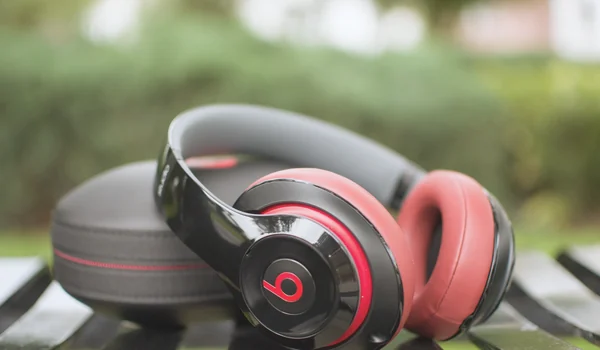
In a 2011 study, audiobooks locked in a gym locker raised first-week visits 51% over controls. Why the lock beat a promise, and why it faded.
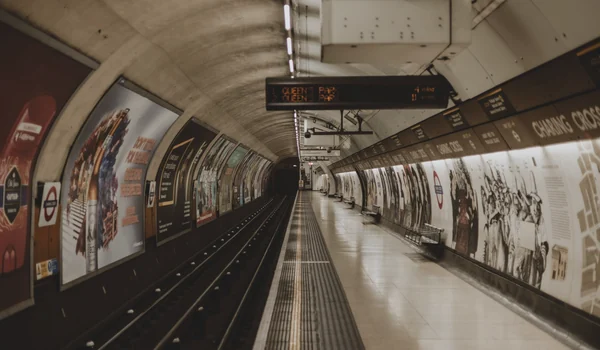
A 2014 strike shut many London Tube stations. A week later, regular riders who had been pushed off their route were more likely to be on a new one.
People with strong cinema-popcorn habits ate week-old popcorn about as much as fresh in a cinema, but less in a meeting room. What that means for habits.
A one-sentence if-then plan beat motivation alone in a small exercise study. What the wider research shows, why it works, and where it falls short.
Seinfeld says the X-on-a-calendar method wasn't his idea. Research on broken streaks suggests why one missed day can stall a habit, and how to plan for it.
In a Nature megastudy, 54 four-week programs tried to get gym members to show up. About 45% raised visits; only 8% still showed an effect after they ended.
Gym visits and "diet" searches rise at the start of a new week and other calendar landmarks. Here's how that lift fades, and how to use it anyway.
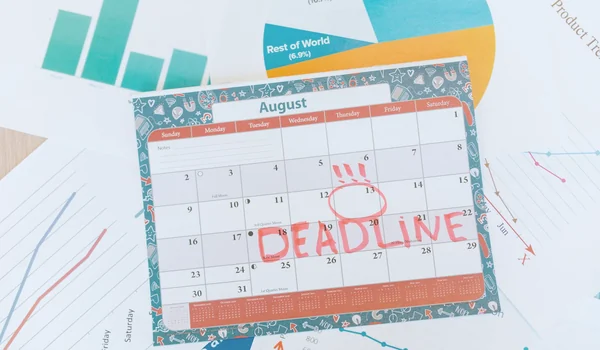
The 21-day habit rule began as a surgeon's rough floor. The study that measured habits found a median of 66 days, with a range of 18 to 254.
In 1983 Cliff Young won a race from Sydney to Melbourne while his rivals slept. What his win says about the unwritten rules in your own week.
A larger study shrank the famous marshmallow result. The more useful lesson was in the original work all along: change the room, not yourself.
Keep us Awake.
Buy Me a CoffeeBrewing…